Brand Control, Part 3: “Great Minds Think Alike?” — Clearance Searching and Avoiding Brand Disasters
 You’ve found the perfect brand name. It’s clever. Catchy. The domain is available. The branding agency loves it. You’re ready to roll.
But before you commit… have you checked if someone else already owns it?
Why Searching Is Not Optional
It’s one of the most common — and costly — mistakes: a business pours time, energy, and tens of thousands of dollars into branding, only to receive a cease and desist letter from a prior trade mark owner. Worse still, they may find themselves facing an opposition at IP Australia, a rebrand mid-launch, or a lawsuit they never saw coming.
Trade mark clearance searching is your early warning system. Done properly, it can help avoid disputes, legal fees, rebranding costs, and loss of customer goodwill.
And it doesn’t have to be complicated.
Types of Searches
Not all searches are created equal. Depending on your budget, timing, and risk tolerance, here are the key search types you might consider:
-
Knockout search: A quick check of the Australian Trade Mark Register for identical or near-identical marks in your relevant classes. Fast and cheap, but limited in scope.
-
Full availability search: A comprehensive legal review of both registered marks and unregistered use — including business names, social media handles, websites, and domains. This helps you identify potential passing off or s 60 (Trade Marks Act 1995) issues where someone may not have registered their mark, but has a strong reputation.
-
International searches: If you’re planning to operate or file overseas, don’t stop at Australia. Check WIPO’s Global Brand Database, the Madrid Monitor, and key national registers (USPTO, EUIPO, etc). Remember: first to file wins in many countries.
What to Watch For
Even if your exact mark isn’t on the register, you still need to look out for:
-
Similar marks in the same or closely related goods/services
(e.g. SwiftTech for software vs Swiftek for IT services) -
Slight spelling variations or phonetic equivalents
(e.g. Kwik Kleen vs Quick Clean) -
Well-known unregistered brands
Even without registration, a brand with a strong reputation can stop yours under section 60 of the Act — if consumers are likely to be confused.
💡 IP Mojo Tip
Clearance is brand insurance. The earlier you search, the cheaper your pivot if needed — and the more confidently you can build your brand knowing it won’t collapse under a letter of demand.
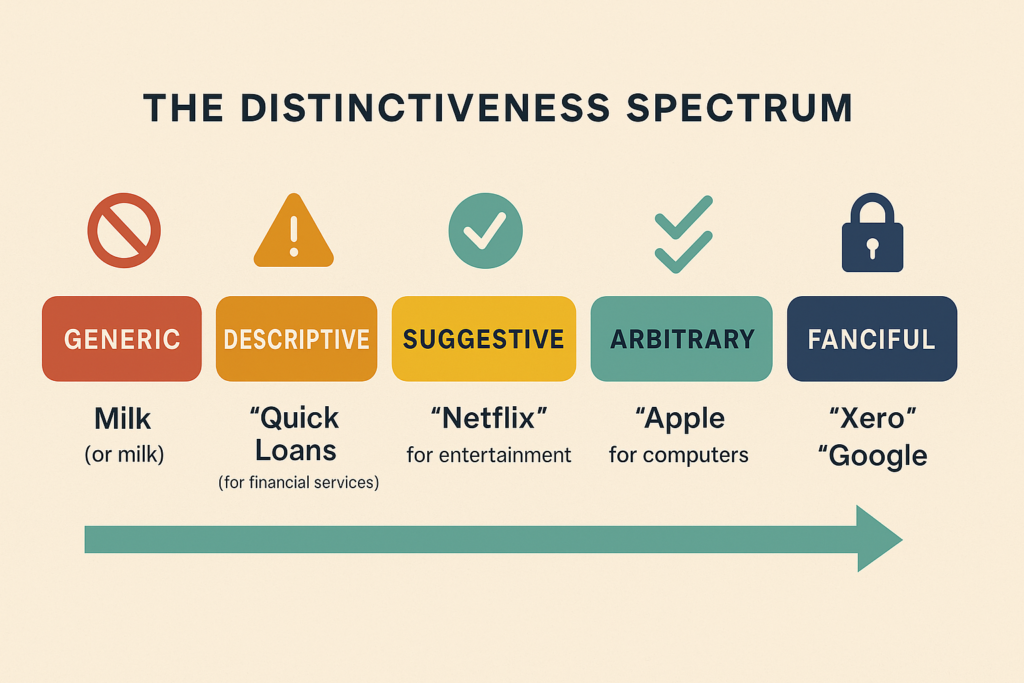 Not every brand name is created equal. In the eyes of the law, the more descriptive your mark, the weaker your rights.
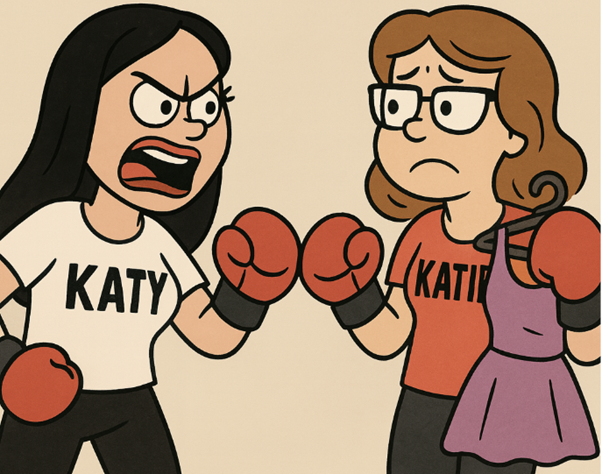 The long-running IP clash between Australian designer Katie Taylor (aka Katie Perry) and US popstar Katheryn Hudson (aka Katy Perry) has now reached the High Court. Both sides have filed their submissions—and the gloves are well and truly off.
 In the world of entertainment, nothing stops a production faster than a copyright claim — even when the claimant doesn’t actually have a leg (or claw) to stand on.
 When most people talk about a “brand”, they’re really thinking about a vibe: a gut-level feel, a cultural footprint, an aesthetic. And all of that matters — but from a legal perspective, a brand only really lives and breathes through what you can protect.
 In the world of IP, form usually follows function—until it tries to live forever.
 The Case in Brief