Brand Control: The IP Mojo Series on Trade Marks That Stick (Intro Post)
 Launching a brand? Running a business? Advising one? Then you already know the power of a strong name, logo, or tagline. But what makes a brand not just memorable — but legally defensible?
Starting later this week, IP Mojo presents:
🎯 Brand Control: The IP Mojo Guide to Trade Marks That Stick
A 10-part deep dive into how to build, protect, and enforce brands that actually hold up — in the real world and in court.
Over the coming posts, we’ll walk through:
-
How to pick a name that’s not just clever but protectable
-
How to search before you spend
-
What to register (and where)
-
How to keep your rights alive and your competitors at bay
-
What to do when you’re going global, exiting, or facing infringement
Whether you’re:
-
a founder choosing your next brand name,
-
a marketer defending a rebrand,
-
an investor reviewing a startup’s IP stack,
-
or a lawyer tasked with sorting out who owns what…
…this series is for you.
We’ll keep it:
-
Sharp and practical
-
Grounded in real-world examples
-
Unafraid to name names (or court cases)
📌 First post drops soon: “What’s in a Brand? — The DNA of Distinctive Value”
Stick around.
 Firstmac’s long-running dispute with Zip Co over the word “ZIP” has taken another sharp turn—this time with Zip Co applying for special leave to appeal to the High Court.
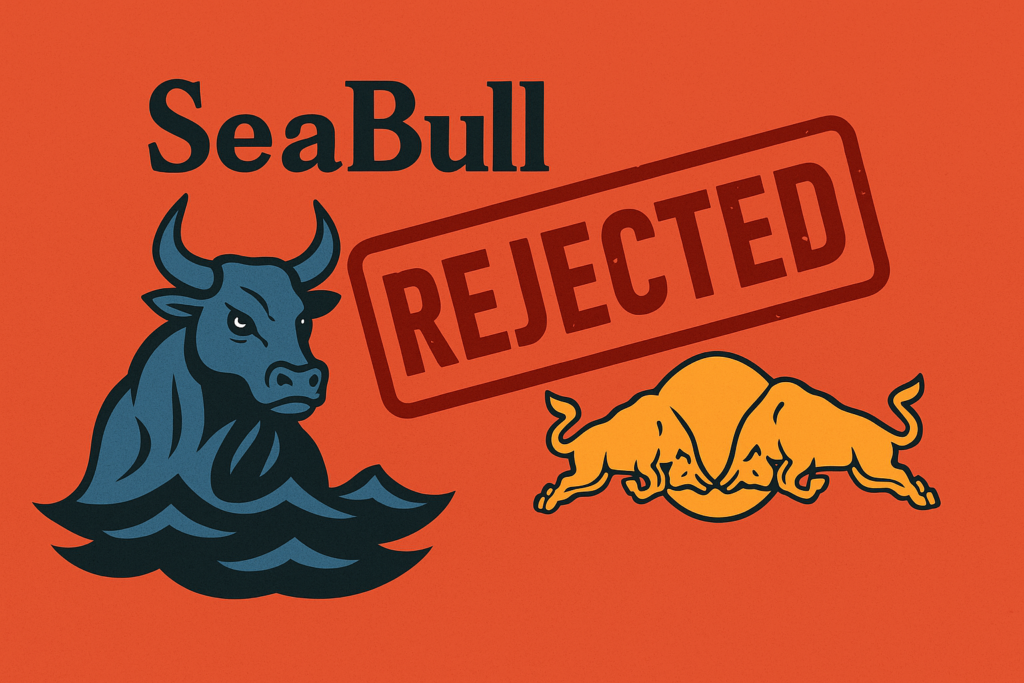 If there’s one thing Red Bull hates more than caffeine-free soft drinks, it’s brand drift. And the latest target of its energy-charged enforcement? A would-be beverage mark from China: SeaBull.
 In C21 Pty Ltd (Trustee) v Hou (No 6) [2025] FedCFamC2G 927, Judge Manousaridis handed down a strongly worded decision marking the latest chapter in a copyright enforcement saga — and it’s not one Mr Hou will be pleased with.
 This July marks a pivotal moment for Queensland public sector entities, agencies, and their contractors. The Information Privacy and Other Legislation Amendment (IPOLA) Act 2023 comes into full effect from 1 July 2025, ushering in sweeping updates to Queensland’s Information Privacy Act 2009, Right to Information Act 2009, and the rules governing data-breach notifications.
  The Albanese Government’s plan to restrict under-16s from holding social media accounts is already proving contentious — and now, its one glaring exception has been officially called out. The eSafety Commissioner, Julie Inman Grant, has advised Communications Minister Anika Wells to scrap the carve-out that would exempt YouTube from the new age-gating regime set to kick in this December.