Shape of Things That Can’t Last: Why Mayne Still Rules the Dropper
 In the world of IP, form usually follows function—until it tries to live forever.
Back in 2008, the Federal Court handed down Mayne Industries Pty Ltd v Advanced Engineering Group Pty Ltd [2008] FCA 27, a shape trade mark case involving humble but hard-working fencing hardware: the S-shaped fence dropper. Though utilitarian in appearance, the legal fallout remains a cornerstone in Australian shape mark jurisprudence.
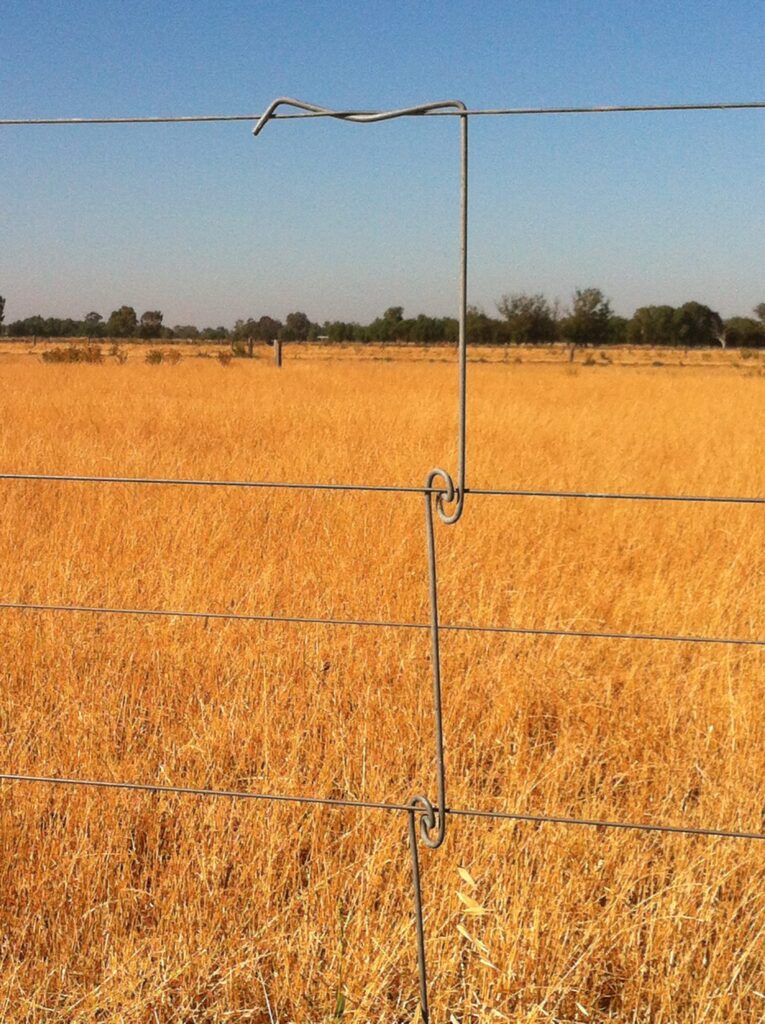
🐂 For the more urban-oriented: a fence dropper is the vertical rod—typically thick wire—that ties together the horizontal strands of a rural wire fence (think paddocks, not patios). They’re engineered so that when a frustrated bull charges the fence in pursuit of cows, the structure flexes and recoils rather than breaking apart—or shredding said bull to bits. The dropper’s job is to absorb the impact and maintain fence integrity, saving both beast and boundary.
 The Case in Brief
Mayne Industries had once patented an S-shaped fence dropper (pictured above), used to hold fencing wire in place. After the patent expired, Mayne sought to rely on a registered shape trade mark over that same S-configuration to prevent competitors from manufacturing identical products.
You can understand Mayne Industries’ motivations. They had a monopoly through the 20 year reign of their patent, but after that, it would be a free-for-all for cheap knock-offs of their flagship product.
With the introduction of shape trade marks in 1995, they came up with the bright idea of registering the S-shaped dropper’s distinctive shape as a shape trade mark and use it as a trade mark moving forwards, potentially protecting their flagship product with the judicious use of a different IP right, and no longer one with a half-life … this IP right, a trade mark right, can live forever.
However, Justice Greenwood wasn’t having it.
The Court ultimately found that the S-shape was functional, not distinctive, and that Mayne was improperly trying to extend its expired patent rights through trade mark law. The Court accordingly exercised its discretion under section 87(1) to cancel the registration.
Justice Greenwood delivered a sharp reminder that IP regimes each have their own purpose—and their own expiry dates:
“What the applicant cannot do is use the Trade Marks Act as a means of extending the life of the monopoly previously obtained under the Patents Act beyond the expiry of that patent.“
— [2008] FCA 27 at [86]
In applying section 25 of the Trade Marks Act, the Court found that the S-shape was the only commonly known way to describe or identify the dropper, which had been formerly exploited under patent. That meant Mayne’s exclusive rights to use or enforce the mark were taken to have ceased two years after the patent expired—well before the case was brought.
Key Principles That Still Hold the Fence Line
-
Function Over Form Fails
A shape that serves a predominantly utilitarian function—particularly one previously protected by patent—may face hurdles under section 41 of the Trade Marks Act 1995 (Cth) (if registrability is challenged), and may also be rendered unenforceable under section 25 if the shape is the only commonly known way of identifying an article formerly exploited under patent. -
Branding Beats Engineering
To be registrable, a shape must serve as a badge of origin, not just a product design. The court found no evidence that consumers identified the S-shape specifically with Mayne Industries. -
No Patents in Disguise
Once a patent expires, the functionality it protected enters the public domain. Registering a shape mark to perpetuate exclusivity over that functionality undermines the statutory bargain at the heart of patent law. -
Evidence Is Key
Mayne argued that the S-shape was distinctive and that other viable alternatives (like V- or W-shaped droppers) could serve the same function. But the Court found the S-shape had become the only commonly known way of describing or identifying that kind of dropper in trade. A different evidentiary record—establishing real-world use of alternatives—might have changed the outcome.
Why It Still Matters
Mayne remains the leading Australian authority on shape trade marks where functionality is front and centre. It reinforces a boundary that remains important in product design and branding: you can’t monopolise useful shapes forever.
The Court didn’t say that all shape marks with some functional component are invalid. But where a shape both performs the function and has become synonymous with the product itself—especially following a now-expired patent—the threshold for enforceability becomes exceptionally high.
Interestingly, Justice Greenwood later (post the Mayne Industries decision) mused that the law might still accommodate shape marks with some functional features—so long as the shape also includes something “extra”: a deliberately chosen visual element designed to catch the eye and distinguish the product. In his view, the Trade Marks Act’s express recognition of shape marks shouldn’t be thwarted just because a design has a functional role—what matters is whether it was also adopted to signal origin. The boundary between form-for-function and form-for-branding remains a live question—especially when it comes to infringement, where intention to use a shape as a trade mark could still tip the balance.
So if you’re thinking about trade mark protection for the clever contours of your next product—make sure it’s branding, not engineering, that gives it shape.
 Launching a brand? Running a business? Advising one? Then you already know the power of a strong name, logo, or tagline. But what makes a brand not just memorable — but legally defensible?
 Firstmac’s long-running dispute with Zip Co over the word “ZIP” has taken another sharp turn—this time with Zip Co applying for special leave to appeal to the High Court.
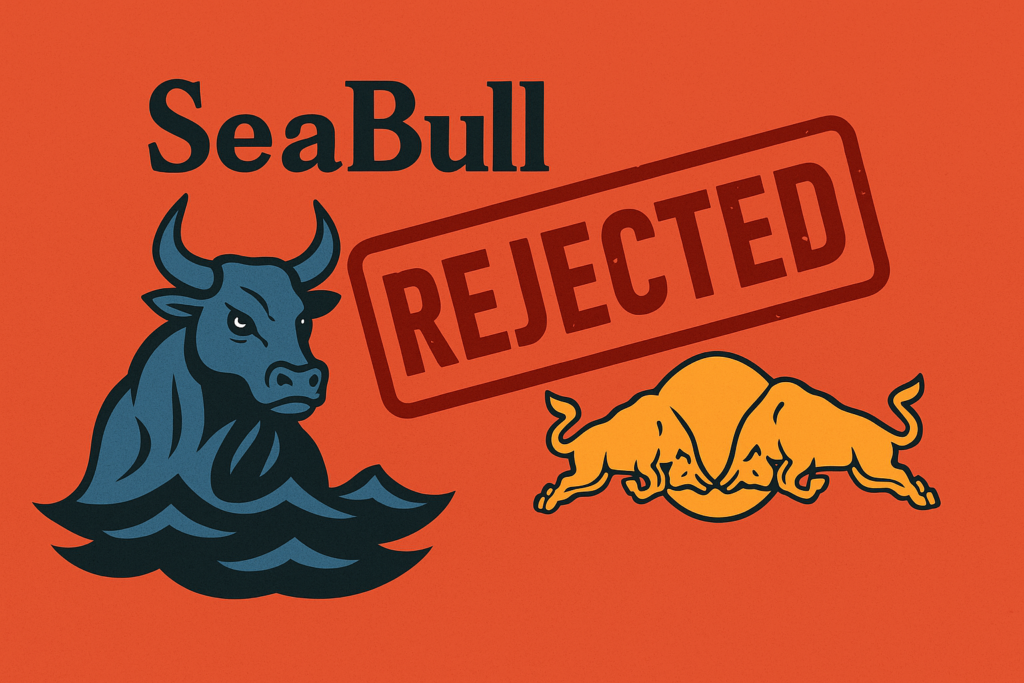 If there’s one thing Red Bull hates more than caffeine-free soft drinks, it’s brand drift. And the latest target of its energy-charged enforcement? A would-be beverage mark from China: SeaBull.
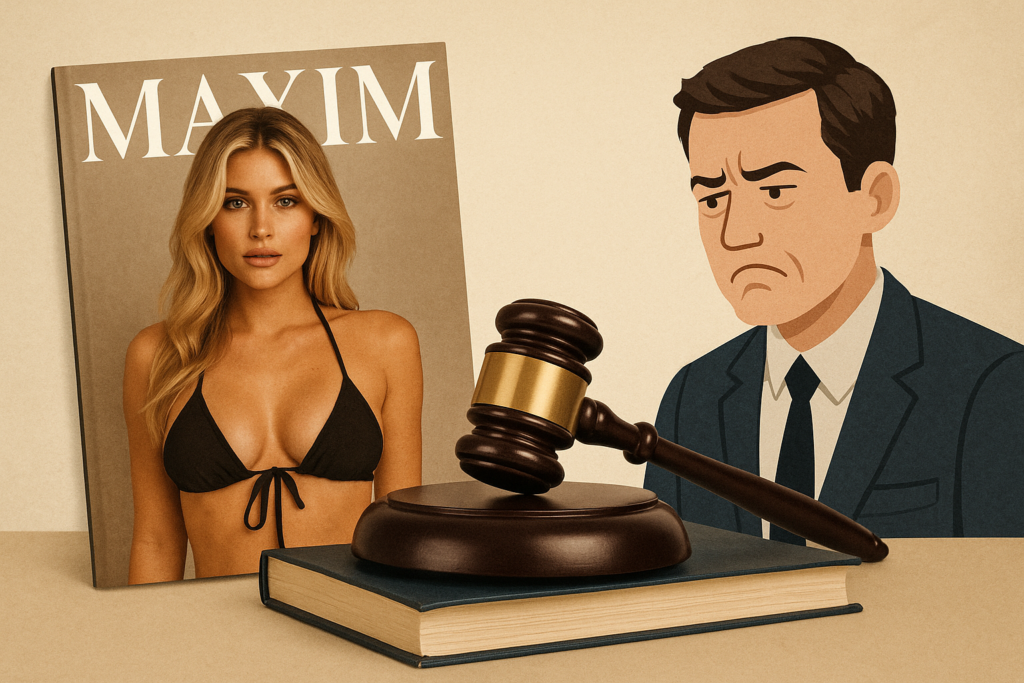 Maxim Media, the publishers behind the well-known men’s lifestyle magazine and brand MAXIM, had minimal success when in Maxim Media Inc. v Nuclear Enterprises Pty Ltd [2024] FCA 1443 they sought urgent Federal Court orders to shut down an Australian company allegedly riding on their name — through magazines, domain names, destination tours, and model management services.