Damages or Profits? The Federal Court Forces Patentees to Choose
 How long can a successful patentee delay the choice between damages and an account of profits?
In VMS v SARB (No 13) [2025] FCA 1078, Justice Burley confronted that very question — and ordered the patentee to make its election within 21 days.
The dispute
-
Vehicle Monitoring Systems (VMS) had succeeded on parts of its patent infringement case against SARB and the City of Melbourne.
-
The trial judge retired; the case was remitted for pecuniary relief.
-
VMS wanted to delay electing between damages and profits until after more evidence was in.
The ruling
-
Justice Burley held that while patentees should make an “informed choice”, that doesn’t mean indefinite delay.
-
Guided by Island Records v Tring and Australian cases (LED Builders, Australian Mud Company), the Court balanced:
-
Patentee rights: not forced to gamble in the dark.
-
Court efficiency: s 37M Federal Court Act requires just, quick, inexpensive resolution.
-
-
Result: VMS ordered to elect within 21 days.
Why it matters
-
For patentees: Don’t expect to hold off forever — the Court wants efficiency.
-
For infringers: Push for early election to limit procedural drag.
-
For practitioners: Timing of election is now firmly part of litigation strategy, not just an end-of-trial formality.
Takeaway
This case sharpens the line between informed choice and delay tactics.
The Court’s message is clear: patentees must choose their remedy earlier than many may have hoped.
 When two businesses with nearly identical names lock horns, things usually come down to trade marks, passing off, and reputation. But in Jacksons Drawing Supplies Pty Ltd v Jackson’s Art Supplies Ltd (No 2) [2025] FCA 1127, the real fight was over disclaimers, pop-ups, sticky banners, and user attention spans.
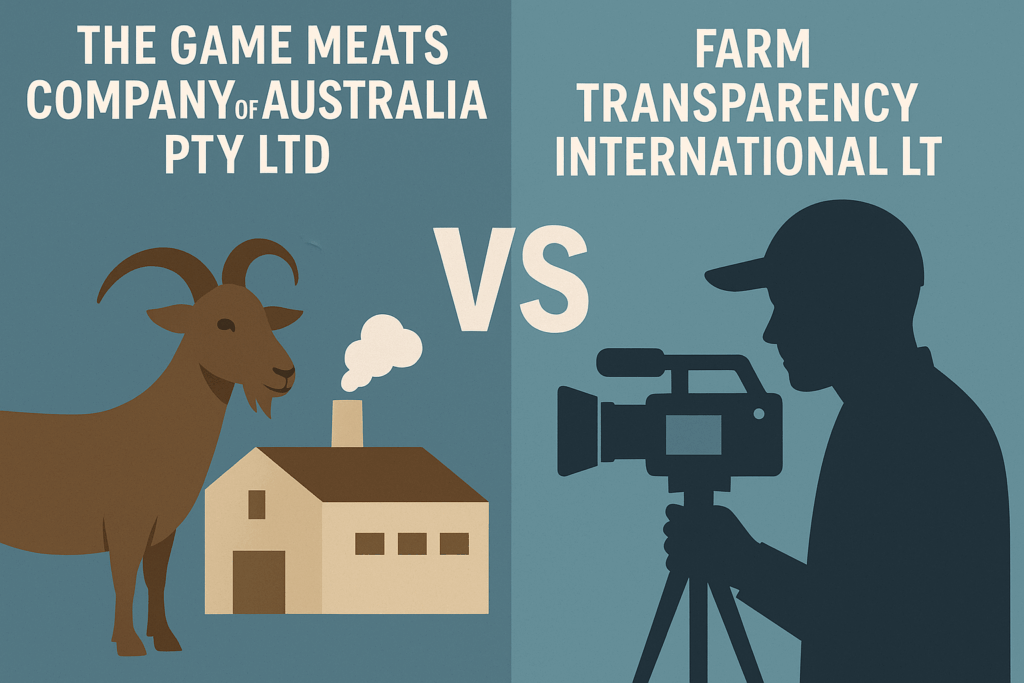 When animal rights collide with copyright law, sparks fly — and sometimes, whole new branches of doctrine get tested.
 When Epic Games went head-to-head with Apple, the Federal Court found that Apple misused its market power by locking iOS developers into the App Store and its payment system. That was big. But the Anthony v Apple class action takes it a step further: what if Apple has been overcharging Australian developers and consumers for years?
 When you win a trade mark infringement case, the natural instinct is to go after the other side’s profits. After all, why should the infringer keep any benefit from piggybacking off your brand? But as Kretchmer Enterprises Pty Limited v AMR Manufacturing Pty Limited [2025] FedCFamC2G 1394 shows, that’s often easier said than done.