IMMIGPT Blocked: OpenAI’s GPT Reputation Stops Immigration Trade Mark
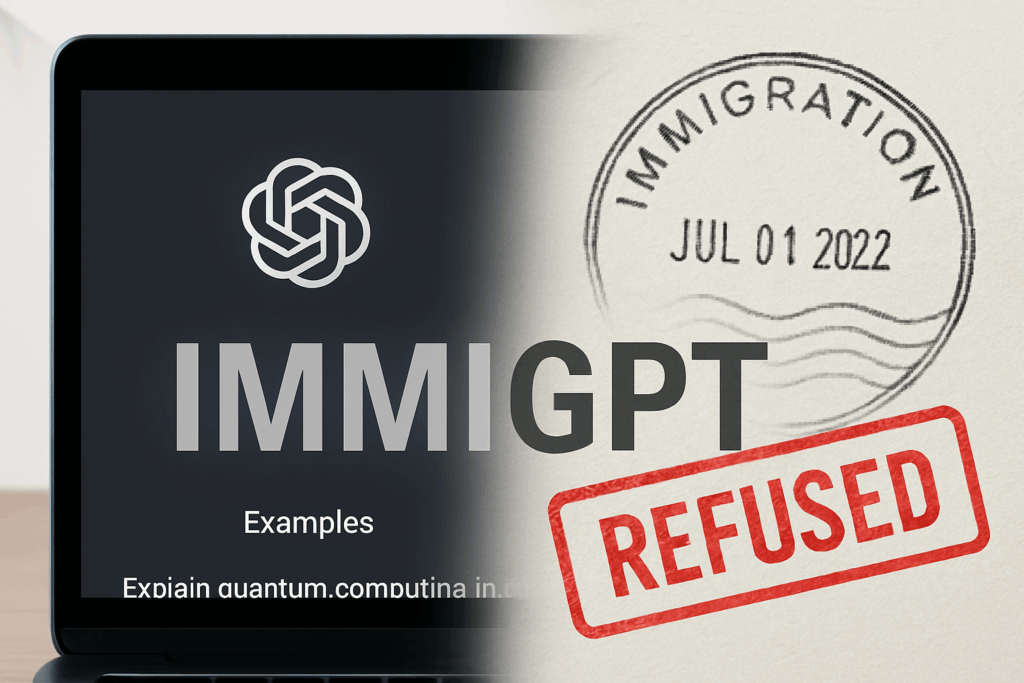 What happens when you take a world-famous tech acronym and bolt it onto your own business name?
An Australian migration services provider just found out — the hard way — that riding the coat-tails of GPT’s fame can sink your trade mark application, even outside the tech sector.
The Players
-
OpenAI OpCo LLC – creator of GPT, ChatGPT, and other AI products with global reach.
-
Realoz International Pty Ltd – provider of immigration and legal services, trading via a platform called “IMMIGPT”.
The Mark and the Fight
Realoz applied to register IMMIGPT in Class 45 for migration and immigration services.
OpenAI opposed on multiple grounds, but ran s 42(b) (contrary to law) and s 60 (reputation) at the hearing.
The Delegate focused on s 60 — whether OpenAI’s GPT marks had a reputation in Australia before 25 April 2023, and whether that reputation made confusion likely.
Reputation in Overdrive
OpenAI launched GPT in 2018, then GPT-2, GPT-3, GPT-4. In November 2022, ChatGPT arrived and “exploded in popularity”, becoming the fastest-growing consumer app in history — hitting 100 million monthly users in two months.
By the relevant date:
-
Australians were using ChatGPT in law, architecture, retail, beauty, marketing, accounting — and for everything from recipes to speechwriting.
-
The media coverage was intense; even those who hadn’t tried it had heard of it.
The Delegate found substantial reputation in both GPT and ChatGPT in Australia.
Why Confusion Was Likely
Realoz argued GPT was just a descriptive acronym (“generative pre-trained transformer”) and that it had a disclaimer on its site disavowing any link to OpenAI.
The Delegate disagreed because:
-
Most Australians wouldn’t know GPT’s technical meaning.
-
Even if they did, they’d still associate it with OpenAI.
-
“IMMIGPT” mirrored the ChatGPT construction — suggesting an “immigration” version of ChatGPT or immigration services powered by OpenAI’s GPT software.
-
The Applicant had agreed to OpenAI’s T&Cs — so it clearly knew about the marks.
The result? A significant number of consumers would be likely to wonder if IMMIGPT was connected to OpenAI.
The Decision
-
s 60 established — registration refused.
-
Costs awarded against the applicant.
IP Mojo Takeaways
-
Fame Spreads Fast – A trade mark can acquire reputation in months if public uptake is explosive.
-
Tech Acronyms Aren’t Neutral – If the public recognises an acronym as a brand, expect trouble using it — even for unrelated services.
-
Construction Counts – Mimicking a famous brand’s naming pattern (“___GPT”) invites an association in consumers’ minds.
-
Disclaimers Don’t Cure Confusion – If your name suggests a link, a footnote won’t save you.
Citation: OpenAI OpCo LLC v Realoz International Pty Ltd [2025] ATMO 141
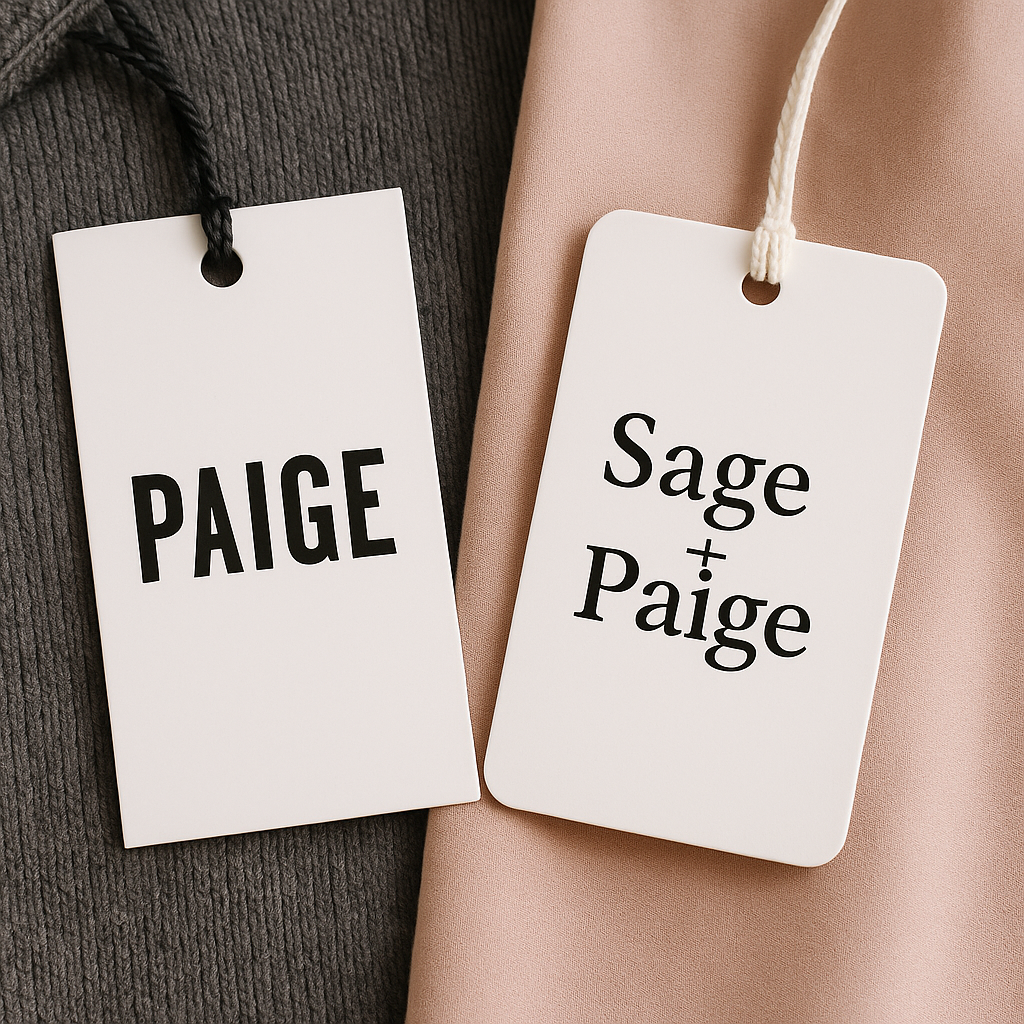 In a decision straight from the catwalk of modern trade mark law, the Federal Court has dismissed a challenge by Californian fashion label Paige LLC against the Australian brand Sage + Paige, ruling that the newer composite marks are not deceptively similar to PAIGE and won’t mislead fashion-savvy Aussie consumers.
 Richards v Black Star Pastry Pty Ltd (No 2) [2025] FedCFamC2G 1226 is a cautionary tale in brand coexistence gone wrong — where parallel growth by two businesses using similar names eventually led to a Federal Circuit and Family Court stoush over coffee, cakes and trade mark rights.
 Trade marks are valuable assets — but like any asset, their value depends on who owns them.
 When it comes to registering your logo as a trade mark, most people obsess over what to file — but give little thought to how they file it.
 You’ve chosen your name. You’ve cleared it. You’re confident it’s distinctive and available. Now it’s time to make it yours — legally.